
The value of heritage in the world of crochet and amigurumi art:
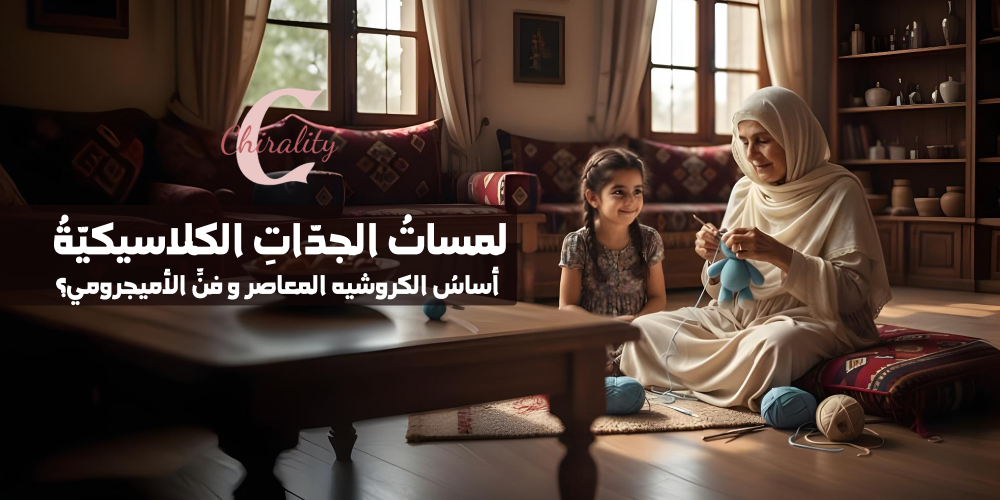
Amigurumi is one of the most prominent forms of modern crochet, used to create three-dimensional dolls and figures that add a profound artistic dimension to this handcrafted art. While some may dismiss crochet or associate it with traditional images associated with grandmothers , those classic touches were the cornerstone upon which modern art was built, particularly in three-dimensional forms and the interplay of colors.
Crochet itself is an ancient craft historically associated with women's skills, passed down from generation to generation within families and communities. This tradition is no less valuable than any art form; it is an expression of inherited human creativity. With the rise and global popularity of amigurumi in recent decades, crochet has proven to be not just an ancient activity, but a foundation for contemporary artistic techniques.
To order our products such as a dinosaur doll And the snail toy. To learn more about our products, you can visit the dolls section . You can also read a dedicated article to learn about the history of crochet.

Classic crochet: a history and heritage of grandmothers:
In the 19th century, crochet began to gain widespread recognition in Europe, used to create lace, embroidered blankets, and clothing. This art was not merely a luxury; it also served as a means of livelihood during times of crisis, as was the case during the Irish famine, when crocheted items were used to support families financially.
When we delve into the rich tapestry of our heritage, we find that the expertise grandmothers acquired in handling thread and needles, and in applying basic stitches, represents an indispensable skill in contemporary crochet. Grandmothers didn't practice crochet merely as a "simple hobby"; rather, they executed intricate designs with fluidity and precision in both form and function. This foundation contributed to teaching subsequent generations how to use stitches with exceptional skill, and this is the very essence from which we derive today the art of amigurumi .
From this perspective, it becomes clear that ridiculing crochet as something "for old-fashioned grandmothers" reflects a superficial understanding of the importance of crochet in building manual and artistic skill, and that each generation has its role in shaping this art over time.
Amigurumi art: where heritage meets contemporary creativity.
Amigurumi is a Japanese term describing the art of knitting or crocheting stuffed figures, often in the shape of animals or cute little characters. The name is composed of two words: “ami,” meaning knitting or crocheting, and “nuigurumi,” meaning stuffed doll.
Despite its Japanese roots, amigurumi has spread globally since the beginning of the new millennium, especially through digital platforms such as Etsy and Pinterest, where crochet enthusiasts have begun sharing patterns, creations, and techniques.
What distinguishes amigurumi from classic crochet is that it adds a three-dimensional, three-dimensional dimension, requiring a deeper understanding of shape formation, stitch balance, and color harmony — advanced techniques in themselves and inseparable from the crochet basics learned by previous generations.
Amigurumi is not just about basic stitches; it also requires an understanding of skeletal structure, knowledge of the principles of increase and decrease, and a keen awareness of color interplay and how it contributes to the artistic character of the piece. This leads us to consider amigurumi a natural outcome of the evolution of crochet, not something separate from it.
Scientific studies: Crochet as a contemporary art form:
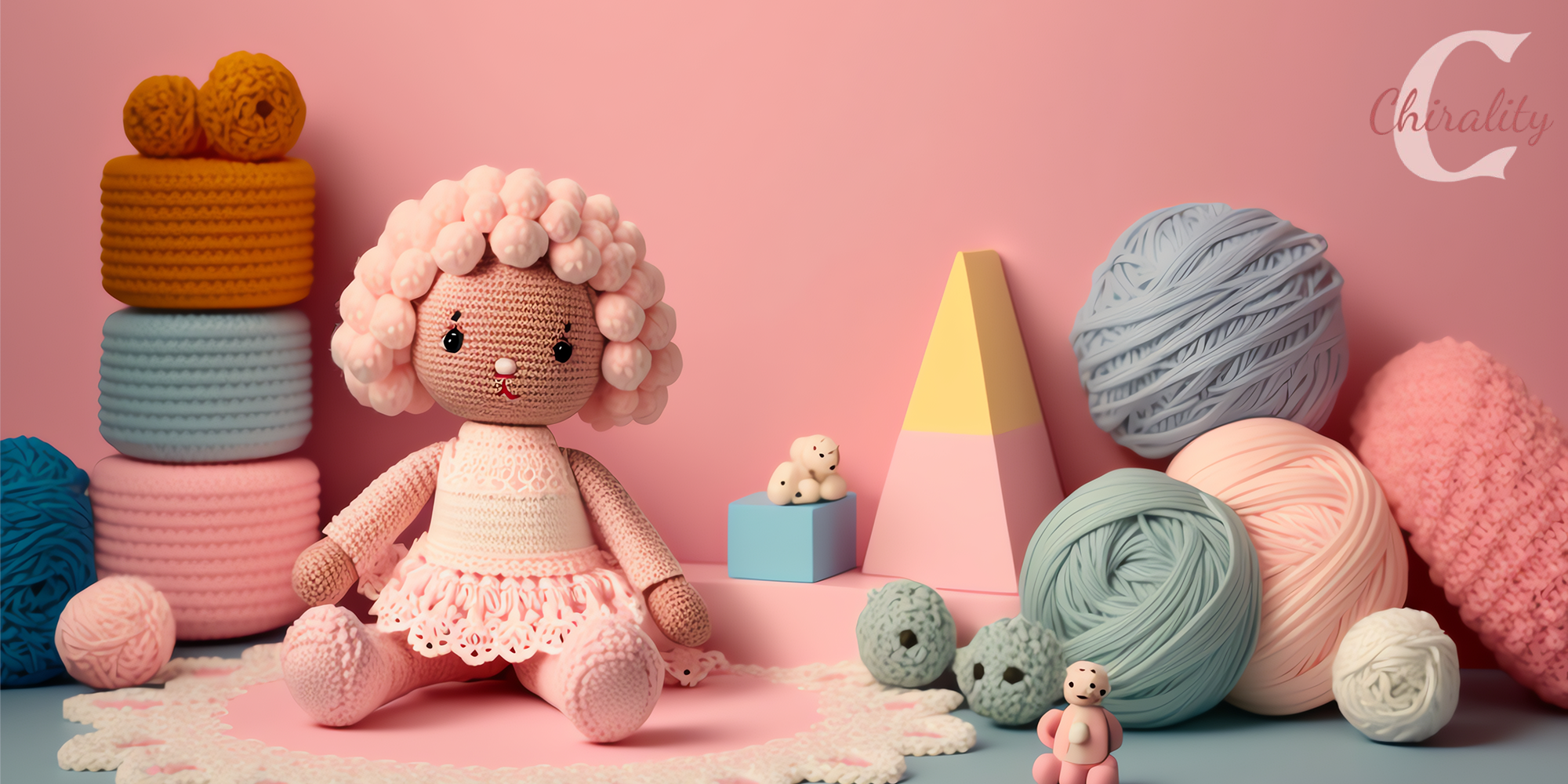
A recent academic study has shown that crochet has transformed from a traditional home craft into a diverse contemporary art form that combines heritage and innovation, including arts such as amigurumi, advanced techniques for color interweaving, and contemporary design patterns.
This study observed the expansion of crochet in India and how individuals are using digital platforms to learn new techniques such as amigurumi, as well as integrating traditional stitches with complex, contemporary designs. The study highlights the role of the internet in empowering creatives by providing access to broader educational resources, which has contributed to developing their artistic understanding and executing advanced designs.
Other research also indicates that handicrafts such as crochet have a real role in cultural and aesthetic expression, and that the traditional practices of grandmothers are an essential part of the social and cultural value networks that make crochet an art with meaning rooted in communities.
Amigurumi today: A global art form that transcends borders:
In the modern era , amigurumi has transcended its status as a mere hobby, becoming an integral part of global design culture. For instance, amigurumi has become a component of digital art projects and interactive experiences , including research projects that utilize it as a means of connecting art with mathematics or technology, such as research into designing three-dimensional crochet patterns using geometry and digital data. Furthermore, contemporary artists use crochet in large-scale art projects, such as the Crochet Coral Reef exhibition , which combined crochet, the environment, and global art. This project was held in museums around the world, confirming the profound artistic value of crochet as an expressive medium.
The integration of heritage and innovation:
The development of amigurumi cannot be separated from the classical foundation laid by grandmothers in the history of crochet. The fundamental skills learned by previous generations are the core of the creativity we see today in amigurumi and modern crochet patterns. To speak of crochet as “an old-fashioned art for grandmothers only” diminishes the value of its heritage and true creativity, and ignores the vital role those classic hand-eye coordination played in building a fully realized contemporary art form. Today, we can celebrate both tradition and innovation; crochet is not just a craft but a universal art language that is constantly evolving, and amigurumi is one of the most prominent aspects of this evolution, proving that heritage and modernity can be integrated into an artwork that respects the past and looks forward to the future.