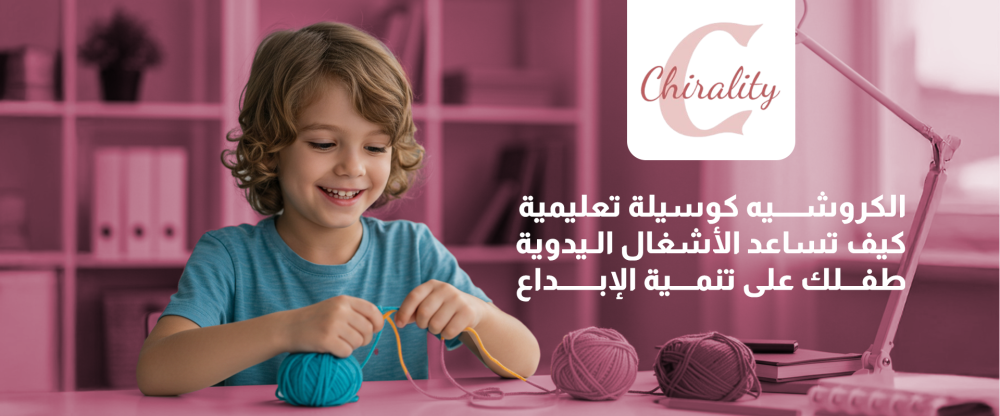
In an era where electronic games and smart devices are increasingly present in children's lives, parents are seeking more realistic and effective educational methods to develop their children's skills from a young age. One such innovative approach is using crochet as an educational tool. Crochet is not merely viewed as a craft, but as a comprehensive educational tool that helps teach children letters and colors, and fosters their creative, sensory, and intellectual abilities.
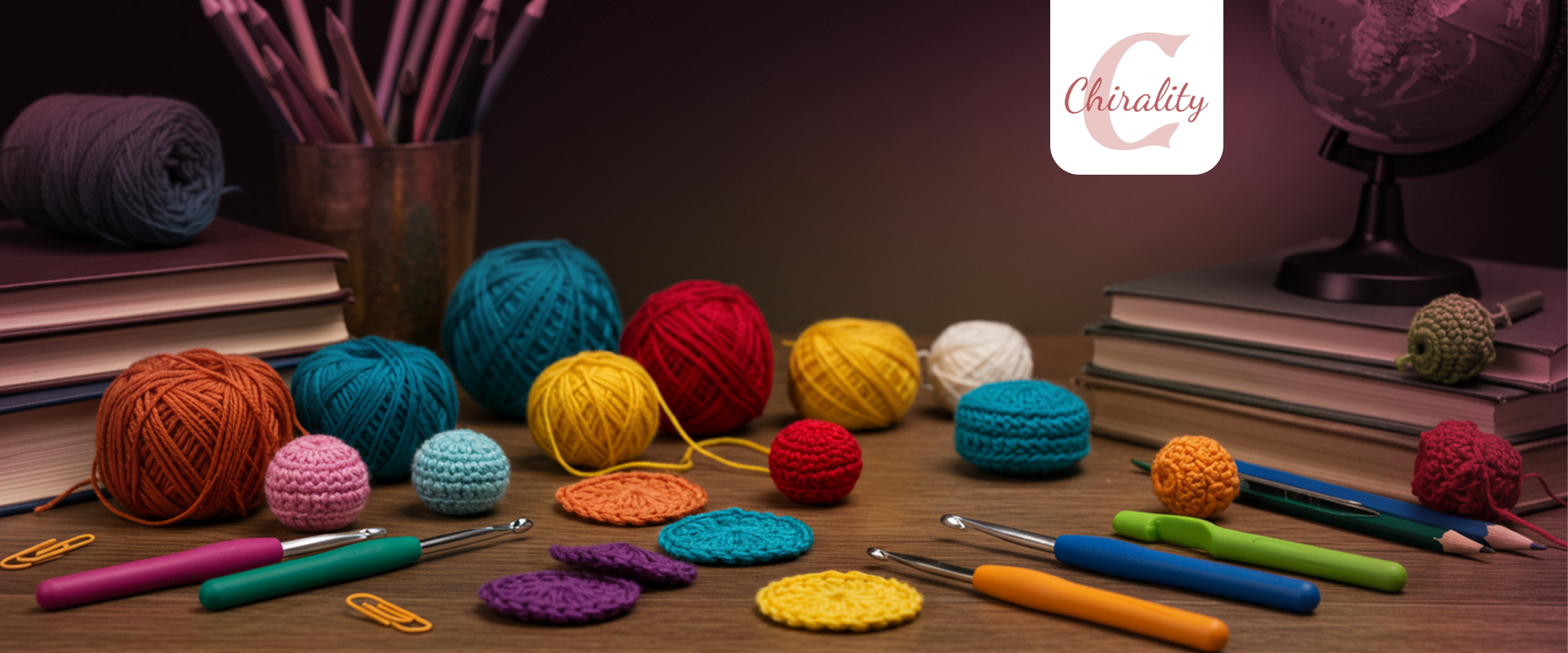
Crochet, with its colorful yarns and diverse shapes, provides children with a fun learning environment that combines play and learning. When a child interacts with crocheted dolls or tools specifically designed to display letters and colors, their brain reacts to the experience visually, tactilely, and aurally, promoting memorization and understanding in a natural way and without direct educational pressure.
To provide your child with a fun and comprehensive learning experience, you can browse the children's dolls section to discover Crochet dolls A beloved resource that fosters imagination and emotional connection, in addition to a section of educational games designed to develop a child's skills in a fun and interactive way. Don't forget to visit the blog for inspiring and useful articles about education, growth, and creative parenting.
First: How does crochet contribute to teaching children letters and colors?
1- Teaching letters in an interactive way:
Crocheted dolls or figures can be designed in the shape of letters of the alphabet, allowing the child to touch and interact with the letter while learning. Early childhood education research indicates that tactile and kinesthetic learning helps children remember symbols and letters more effectively than traditional methods ( Piasta & Wagner, 2010 ).
2 - Enhancing color knowledge and the ability to distinguish between colors:
Colorful crocheted yarn helps children learn the names of colors and distinguish between them. For example, a mother or teacher can introduce a simple sorting activity where the child places each doll in a basket of the same color. These sensory and visual activities develop color perception and promote analytical thinking.
3 - Improving early writing skills:
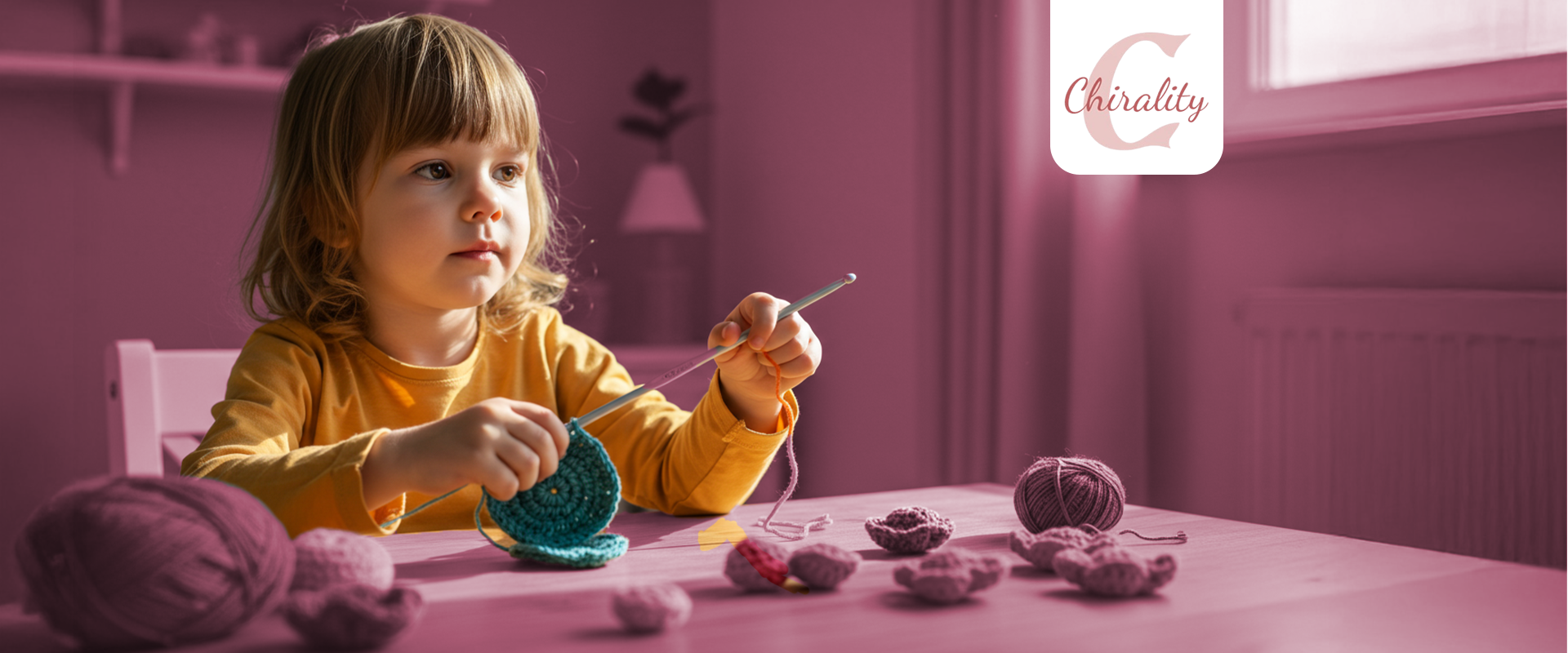
By grasping and manipulating crocheted dolls during play, a child's fine motor skills improve, which is an important foundation for learning to write later on. A study in the Journal of Early Childhood Research found that fine motor activities like knitting and crocheting support the development of small muscles in the fingers, making it easier to learn to hold a pen.
Secondly: The role of crochet in developing creativity and sensory skills:
1- Fostering imagination and innovation:
Crocheted dolls and toys don't come in standard shapes; they can be animals, fruits, letters, or even characters from children's stories. This variety opens up a wide field for children to use their imagination while playing, inventing new stories that connect letters and colors, thus fostering creative thinking.
2 - Integrating the senses into the learning process:
Crocheting combines touch, sight, and hearing (when telling a story related to the doll). This sensory integration makes learning more memorable for the child. Neuroscience confirms that multisensory learning increases brain activity and improves information integration ( Shams & Seitz, 2008 ).
3 - Developing social skills:
Crochet tools can be used in educational groups or group play sessions, helping children to cooperate, take turns, and socialize with their peers. These early experiences build important communication skills for future academic and social development.
Third: Practical strategies for using crochet in children's education:
Crocheting can transform from a mere hobby into an effective educational tool if used thoughtfully and enjoyably for children. Here we offer a range of strategies that mothers and teachers can easily implement, with the option to customize all educational materials upon request. From the store Chirality To suit the needs of each child:
1 - Colored letter boards:
- Designing crochet boards that feature the alphabet in a prominent way and in various colors, which helps the child to easily recognize the shape and color of the letter.
2 - Educational crochet dolls:
- Create small dolls that represent each specific letter or color, which the child can touch and interact with, thus enhancing sensory and linguistic memory.
3 - Sorting and matching games:
- Prepare cards or crocheted pieces that can be sorted by color or letter, and encourage the child to play by arranging the pieces and linking them to the appropriate words.
4 - Interactive stories using puppets:
- Telling educational stories using crocheted dolls that represent letters or colors creates a fun and engaging learning experience.
5 - Educational bracelets and accessories:
- Designing crocheted bracelets or ornaments in specific colors and letters that the child can wear, keeping the letters and colors in his mind all the time.
Fourth: The benefits of crochet as an educational tool compared to traditional methods:
1 - A sensory and emotional learning experience:
- Traditional games may be limited to instruction, while crocheting provides a tangible and emotional experience that makes letters and colors a part of a child's daily life.
2 - Flexibility and ease of customization:
- Crochet designs can be easily modified to suit a child's age and level of knowledge, whether by adding new letters or changing colors.
3 - Safety and high quality:
- Crochet yarns made from cotton or natural wool are safe for children, and free from sharp edges or toxic materials sometimes found in plastic toys.
4 - Enhancing memory with visual elements:
- The bright colors and different patterns of crochet help the child remember letters more easily compared to flat paper cards.
5 - Supporting sustainability and protecting the environment:
- Crochet toys are reusable and long-lasting, reducing the need to buy environmentally polluting plastic toys.
Fifth: Tips for choosing effective crochet tools:
- Use colored threads in primary and secondary shades to attract the child's attention.
- Choose safe designs without small parts that can be swallowed.
- Including large, easy-to-grasp letters.
- Make sure the toys can be washed to keep them clean.
- Combining light and dark colors helps the child with visual discrimination.
conclusion:
Teaching children letters and colors through crochet is not just an educational activity, but a sensory and creative journey that develops a child's cognitive and social skills in a fun and safe environment. This method gives children a unique opportunity to learn through play and hands-on interaction, helping them discover the world of letters and colors in a natural and effective way. With innovative strategies and parental support, crochet can be a distinctive educational tool that fosters a child's love of learning and prepares them for school.