
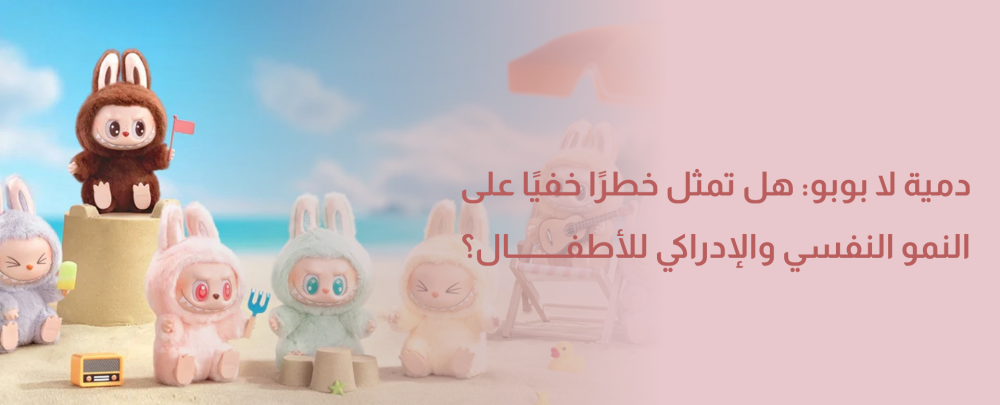
In 2015, a doll created by Hong Kong artist Kasing Long appeared in the comic book series "The Monsters." What was unusual about it was its unfamiliarity to many, especially since it didn't share the characteristics of dolls familiar to children for years. Labobo quickly spread globally, becoming part of the entertainment content that appeals to millions of children and even adults. However, behind its bright colors and unusual shape, experts and parents began raising serious questions about the psychological and cognitive impact of such dolls on children, especially in light of digital openness and the rapid dissemination of content. Is this toy simply innocent entertainment, or does it carry hidden meanings that could harm a child's emotional and cognitive balance? We will clarify this matter in the following paragraphs.
The psychological impact of the Lapopo doll: between anxiety and distress.
Although some children are attracted to the Labobo doll because of its strangeness or its popularity on digital platforms, especially since smartphones have become one of the most important features of the current era and the many applications they contain were the primary reason behind the doll's fame, particularly TikTok, its scary or unfamiliar appearance may cause some children:
Feelings of anxiety or fear :
Especially among those under seven years old. Children, particularly young ones, may not be able to fully distinguish between reality and fantasy. The strange and mysterious features of "Labobo" may evoke feelings of anxiety or unwarranted fear, especially in the dark or when they are alone. Nightmares or sleep disturbances may result from becoming fixated on frightening mental images.
Impact on emotional expression and empathy:
Traditional dolls help children express different emotions (joy, sadness, anger) through imaginative play. Scary dolls may not provide the same opportunity to express positive emotions or may unhealthily associate negative emotions with them. This can lead to emotional instability, such as a mix of amusement and fear, affecting a child's emotional stability.
Developing undesirable behaviors:
Some analyses suggest that the features of "Labobo" may indicate cunning, malice, or even subtle aggression. A child's attachment to such dolls may reflect, or contribute to the emergence of, undesirable traits such as cunning, malice, hypocrisy, or the concealment of their true feelings.
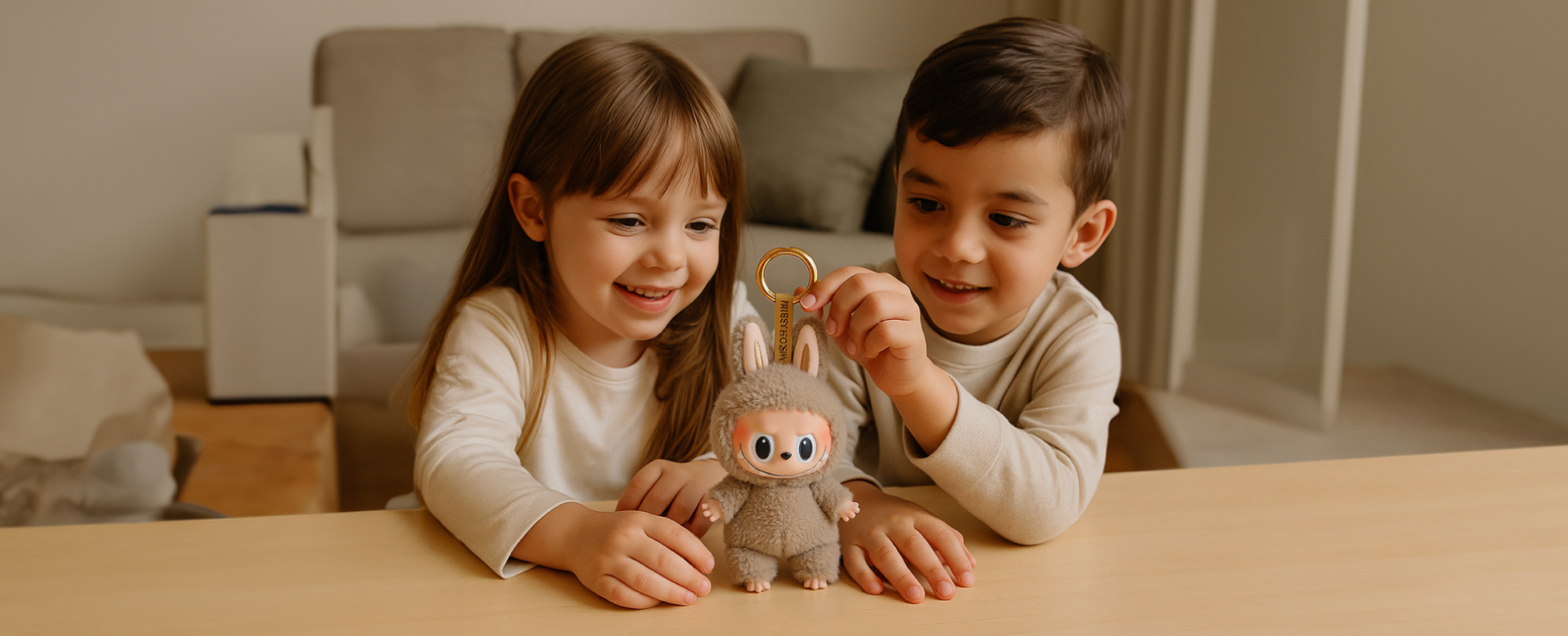
Cognitive and cognitive impact: Disruption of developmental stages?
Cognitive and cognitive impact: Disruption of developmental stages. The early years of a child's life play a pivotal role in the formation of perception and the differentiation between reality and fantasy. This highlights the danger of excessive reliance on the La Popo doll.
- Cognitive confusion resulting from interaction with content that is inappropriate for the child's age in terms of language or messages.
- Negative behavioral imitation of some of the actions associated with the doll that are widespread on the Internet, such as the annoying sound or random movements.
- Realistic interaction declines, as the child may prefer playing with the doll at the expense of real activities or useful educational games.
The La Popo Doll: Psychological Implications and Hidden Dangers:
1- Deep psychological implications : A child's attachment to a scary doll may indicate underlying anxiety or emotional problems. Parents should monitor this attachment and try to understand the child's feelings; consulting a mental health professional may be necessary.
2 - The "Surprise Boxes" Problem : The way Labobo dolls are sold within the "Blind Box" may generate addictive or gambling-like behavior, affecting a child's ability to control their desires and appreciate the value of things.
Why is the Lapopo doll causing controversy?
- The doll is designed in an unconventional way, blending humor and horror, which may not be suitable for the sensitive age group.
- The Labobo doll is often spread through fast-moving online content that is difficult for parents to control or review.
- The heavy repetition of the doll character in digital content may lead to a negative conditioned association in the child's mind, which is difficult to separate from feelings of stress or violent behaviors later on.
What should parents do?
1- Monitoring the content that the child is exposed to online, especially in short video applications, and particularly TikTok.
2- Encouraging realistic and creative games that promote emotional intelligence and cognitive abilities.
3- Explaining reality to the child in simple language, and clarifying the difference between imagination and useful content.
4- Stay away from the Labobo doll if parents notice any behavioral or emotional changes in the child.
If parents are having difficulty finding a solution with their children regarding the doll, they can seek professional help: If you notice that your child’s attachment to scary dolls coincides with noticeable negative behavioral changes, such as aggression, isolation, severe sleep disturbances, or excessive anxiety, do not hesitate to consult a child psychologist.
We can mitigate this by teaching children some handicrafts. This allows us to capitalize on children's natural attraction to anything new and unfamiliar. We can teach them a craft like crochet, and instill a sense of responsibility in them, starting with creating a doll or toy they love. This fosters valuable educational goals in your child, so we recommend following up. Visit the Chirality social media page to learn more