
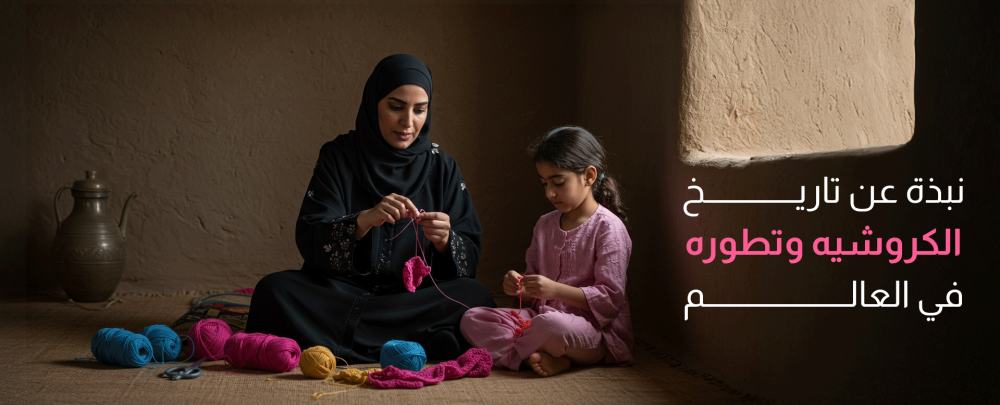
Crochet is one of the finest handicrafts, combining creativity and precision for centuries. With skillful handwork, simple yarn is transformed into decorative works of art, ranging from clothing and accessories to home décor and toys. The history of crochet reflects humanity's connection to innovation and craftsmanship, demonstrating how this traditional art can adapt to modern times through continuous development of techniques and designs.
In this article, we will learn about the history of crochet from its ancient origins to its spread throughout the world, and we will review its development in traditional and modern arts, the tools used in it, as well as its importance in culture and the creative economy.
The historical roots of crochet:
Beginnings in the ancient East:
Crochet-like techniques are believed to have existed for thousands of years in the Middle East and North Africa, where threads were used to create fabrics and decorations. This technique was passed down from generation to generation, helping to hone the manual skills of women and boys in traditional societies.
Crochet in Europe: From elegance to folk art:
Crochet was introduced to Europe during the Middle Ages, but its true spread came in the 17th and 18th centuries, particularly in France and Ireland. Crochet became a means of producing luxurious lace and embroidered garments that reflected a woman's social status. Over time, crocheting became a popular activity across different social classes, which helped expand its use and spread the skills throughout European societies.
The 19th century: The Industrial Revolution and its impact on crochet:
With the Industrial Revolution, new and diverse yarns emerged, allowing craftspeople to experiment with more intricate and beautiful designs. Magazines and instructional books also contributed to spreading the history and techniques of crochet among amateurs and professionals alike, making crochet more accessible to the general public.
The evolution of crochet in the 20th century:
Home crochet and fashion:
The 20th century saw crochet transform into a practical art form in homes, becoming part of the production of home furnishings and accessories. Women excelled in designing blankets, embroidered garments, cushions, and decorative pieces that added a touch of beauty to their homes.
Crochet in popular culture:
Crochet has begun to gain significant attention in popular culture, becoming a symbol of skill and personal creativity. Educational groups and clubs dedicated to crochet have also emerged, facilitating the exchange of expertise and the creation of new designs that blend traditional and modern elements.
Contemporary crochet:
Today, crochet is an integral part of modern design, whether in the creation of accessories, stuffed toys, or home décor pieces. Contemporary artists use crochet to express creative ideas and interactive art, while preserving the traditional spirit of this handcrafted art.
Different types and techniques of crochet:
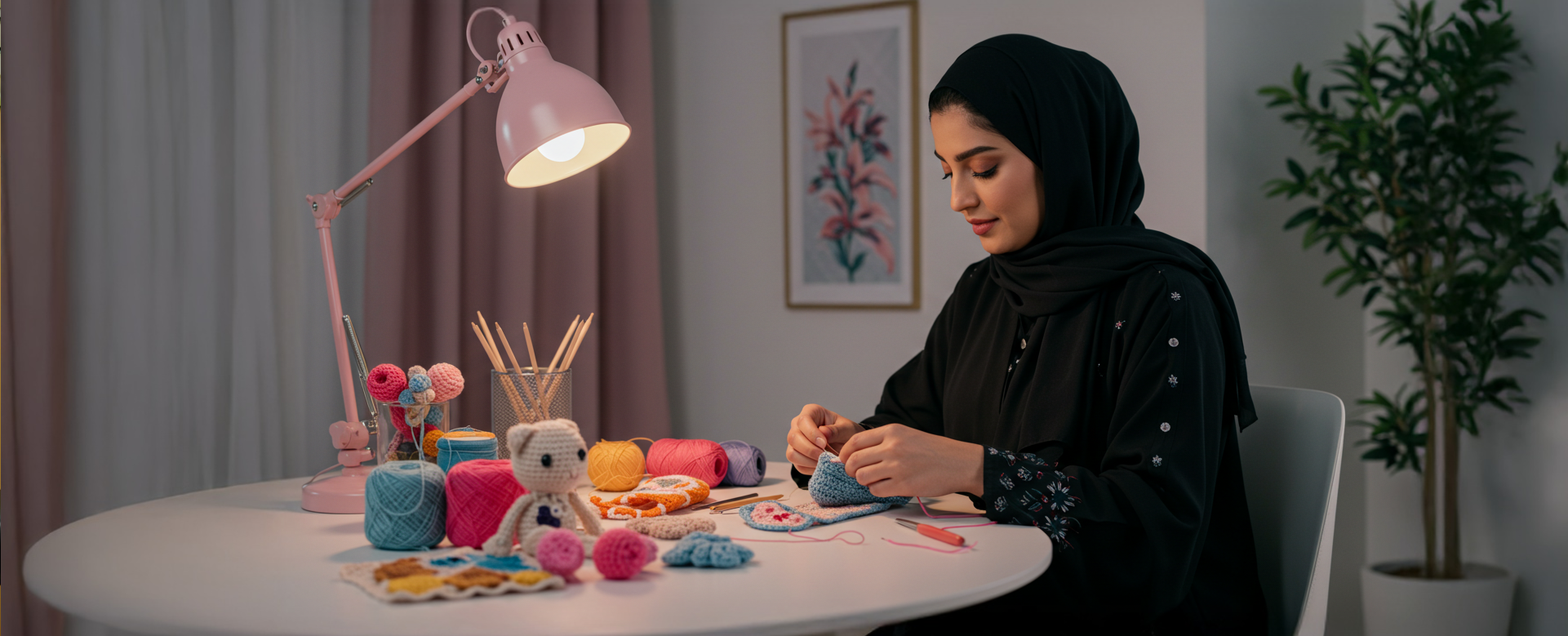
Crochet is characterized by its diverse styles and techniques, making it applicable in many fields, from clothing to decoration and handmade toys. Crochet can be classified into several basic types, differing according to the stitches and techniques used:
1 - Traditional crochet:
This type of crochet relies on basic stitches such as single and double crochet, and is often used to create lace, embroidered covers, and simple garments. Traditional crochet is a fundamental technique for beginners to understand the basics of yarn and needle control.
2 - Contemporary artistic crochet:
Combining traditional stitches with modern techniques, this style allows for the creation of unique designs for clothing, accessories, and home décor pieces. It is characterized by its flexibility and creativity, as stitches and colors can be modified to achieve innovative artistic effects.
3-Dimensional Crochet:
It is used to make stuffed toys, dolls, and decorative pieces that require a tangible dimension. This type is known for its high precision in shaping small elements, such as eyes, horns, and limbs, so that the final product closely resembles the natural form of the object or design being represented.
4 - Double and twisted crochet:
This technique is considered advanced, as the thread is wrapped around the needle multiple times to create a double or triple stitch, giving the piece a unique thickness and texture. This type is often used in making blankets, scarves, and pillowcases.
5 - Openwork or mesh crochet:
It relies on creating openings or spaces between the stitches, giving a mesh and aesthetic effect to the pieces, and is often used in making curtains, summer shawls, and light clothing.
6 - Color gradient crochet:
This technique allows for the gradual integration of several colors into the same piece, to produce stunning visual effects, whether in blankets, pillows, or embroidered clothing.
7 - Crochet with patterns and designs:
It aims to form specific shapes within the stitches, such as flowers, animals, or geometric symbols, and is considered one of the most challenging and innovative techniques, showcasing the craftsman's skill and artistic creativity.
8 - Crochet with beads and accessories:
Beads or charms are inserted during the weaving process to add a decorative touch and shine to the pieces, and are commonly used in the design of bags, accessories, and luxury clothing.
9 - Multi-layered colorful crochet:
It relies on using more than one layer of stitches to create a thick or three-dimensional piece, and is frequently used in the manufacture of heavy blankets, winter clothing, and wear-resistant home decor items.
The importance of crochet in culture and society:
Crochet is more than just a handicraft; it holds deep cultural and social value, and its impact on people's lives is evident on multiple levels:
1- Preserving heritage:
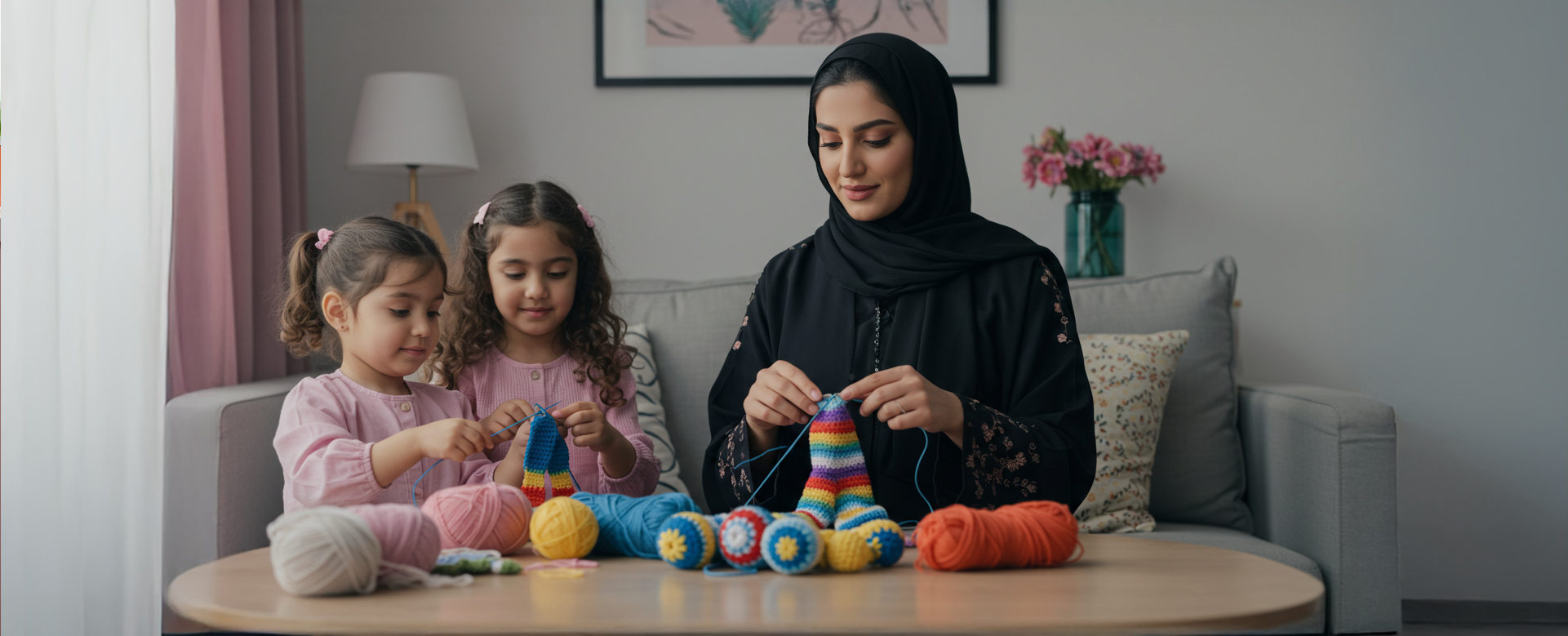
Crocheting contributes to preserving folk heritage for generations, as women and girls pass on its skills from one generation to the next, maintaining traditional patterns and cultural symbols in the stitches and designs. This makes handmade pieces part of cultural identity and local heritage.
2 - Artistic expression and creativity:
Crocheting offers a way to express personal creativity, allowing craftspeople to design unique pieces that bear their personal signature. By choosing stitches, colors, and patterns, each product becomes a unique work of art that reflects personal taste and contemporary artistry.
3 - Social and educational role:
Crocheting sessions have long been a means of socializing within communities, especially among women, where families or groups gather to teach each other and share experiences. This contributes to building strong relationships and passing on skills in a fun and interactive way.
4 - Strengthening the local economy:
Crocheting is a source of income for many artisans, as their products can be marketed both locally and internationally. Handmade crochet items, such as clothing, accessories, and decorative pieces, are very popular among craft enthusiasts, thus supporting home-based businesses and small enterprises.
5 - Improving mental health:
Studies indicate that crocheting helps reduce stress and anxiety, giving crafters a sense of accomplishment and focus, and enhancing patience and attention to detail. The repetitive process of crocheting also helps calm the mind and stimulate creativity.
6 - Education and life skills:
Crochet is a great educational tool for children and young people, as it enhances hand-eye coordination skills, develops artistic sense and problem-solving abilities through following patterns and learning different stitches.
7 - Global cultural influence:
Throughout history, crochet has spread from Europe to America, Asia, and Africa, carrying with it the culture of each society. Certain patterns and stitches have become characteristic of specific cultures, making crochet a cultural bridge between peoples that reflects the diversity of handicrafts worldwide.
Conclusion:
Crochet is an art form deeply rooted in history, blending heritage with contemporary creativity. Through its long history and continuous evolution, crochet can be learned and enjoyed by anyone, whether as a creative skill, a way to enhance home décor, or even as a source of income. This combination of tradition and innovation makes crochet a timeless art that transcends eras.