
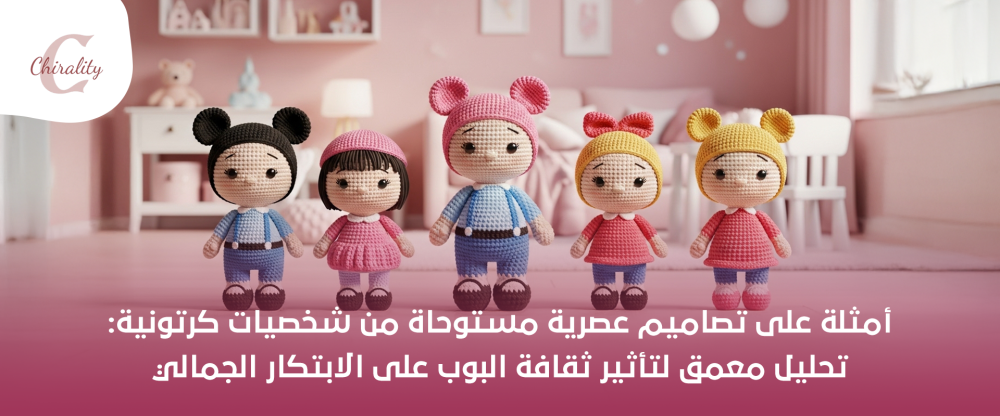
Cartoon character designs have long been considered merely a part of childhood entertainment, simple animated images intended for amusement and basic education. However, in recent decades, the influence of these colorful icons has transcended the television screen to become a driving force in the world of contemporary design, impacting everything from global haute couture runways to revolutionary architecture and industrial design.
This shift is not merely a fleeting response to fashion trends, but rather the embodiment of a deeper phenomenon: the integration of nostalgia into modern aesthetics. The inspiration drawn from cartoon characters offers a rich and universally understood visual language, based on bold colors, simplified lines, and basic geometric shapes. This article aims to analyze the reasons behind this influence, reviewing specific examples and contemporary design concepts that have drawn inspiration from the spirit and form of iconic cartoon characters, and how designers have successfully transformed these childlike icons into functional and sophisticated works of art.
Theoretical basis: The psychological and aesthetic power of cartoon characters:
To understand why cartoon characters have become such a serious source of inspiration, one must explore the psychological and aesthetic roots of these icons.
1- The effect of nostalgia as a purchasing power:
Nostalgia is a powerful driving force in consumption and design. Just seeing a design inspired by old cartoon characters (like Mickey Mouse, The Simpsons, or even a doll) is enough to spark interest. The red cow Umm al-Khair ( the most famous character in Saudi Arabia from the popular television series "Tales of Baba Farhan") evokes an immediate and unwavering emotional connection in the consumer. This emotional bond makes the product more appealing and more likely to be purchased.
2 - Cartoon Aesthetics (Cartoon Characters): Bold Simplicity:
Cartoon-inspired aesthetics are characterized by a range of visual features that are perfectly in keeping with modernity:
- Primary and saturated colors: Boldly using red, yellow, blue, or green, reflecting the color blocking trends in contemporary design.
- Bold Outlines: This style provides a clear dividing line and gives the design a strong sense of identity, which translates in industrial design into clear and clean shapes.
- Geometric Abstraction: Complex shapes are reduced to circles, squares, and triangles. It is a design language that mimics the principles of modern Minimalism, where form simply follows function.
3 - Universality and inclusiveness:
Cartoon characters transcend cultural and linguistic barriers. The visual symbols of characters like SpongeBob, Pokémon, or Koala are universally understood, giving designers a global platform for their products, where inspiration needs no explanation or translation.
Cartoon characters and inspiration in the world of fashion and haute couture:
The fashion industry is perhaps the most daring in embracing inspiration from cartoon characters . Here, cartoon art is transformed into a canvas that reflects humor and creativity.
1 - Inspiration from structural designs (Silhouette Inspiration):
Some designers do not copy the drawings, but rather draw inspiration from the structures and silhouettes that characterize certain cartoon characters :
- Volume and Puffery Fashion: International fashion houses (such as Balmain and Prada) have drawn inspiration from the dramatic silhouettes of Disney cartoon characters, especially princesses. The focus on puffed sleeves, oversized skirts, and defined waists reflects the dreamy aesthetic of these cartoon characters, but in luxurious fabrics.
- Block Shapes Designs: Some cartoon characters are characterized by their rectangular or square geometric bodies (like some Japanese anime characters). Designers translate this into oversized coats (boxy coats) or wide-leg trousers that reflect the cartoonish simplification of the human form.
2 - Case Study: The Moschino Influence and Pop Culture:
Jeremy Scott, the creative director of Moschino, is one of the leading pioneers of incorporating cartoon characters into haute couture.
- The McDonald's/SpongeBob Collection: Scott transformed consumerist logos and cartoon characters (such as the McDonald's logo or SpongeBob's square face) into evening gowns and designer handbags. The success of these collections lies in their aesthetic juxtaposition: incorporating a cheap, childlike icon into a context of expensive, high-end fashion.
- The concept of bold colors: Moschino drew inspiration from the strong and saturated primary colors used by cartoon characters such as Barbie, where bright pink (fuchsia) or lemon yellow is used in complete suits, giving the design a sense of fun and aesthetic power at the same time.
3 - Accessories and abstract prints:
Instead of directly printing a character's face, designers are turning to extracting aesthetic elements:
- Abstract patterns: Taking inspiration from the geometric shapes that appear in the backgrounds of classic cartoons (such as wavy lines or repeating dots) and turning them into sophisticated abstract prints on fabrics.
- Using unexpected materials: Designing bags or shoes in exaggerated (oversized) shapes that mimic the unrealistic shapes carried by cartoon characters in their movies.
Cartoon characters in architecture and interior design:
The influence of cartoon characters on architecture may be less obvious, but it is strongly evident in concepts related to form, color, and the interpretation of space.
1 - Fluid and Organic Architecture:
Some cartoon characters (especially in modern animation or science fiction) live in environments with unconventional and non-straight structures:
- Cartoonish fluidity: Fluid architecture (like some of Zaha Hadid's work) draws inspiration from forms that appear to extend and flow, mimicking the organic and unstable shapes we see in the world of cartoons. Buildings become dramatic curves rather than sharp angles.
- Illusion of movement: An attempt to incorporate the illusion of movement into static buildings, through slanted lines and dynamic facades, which reflects the animated nature of cartoon characters.
2 - Interior Design: Pop Art Culture and Color Blocks:
The aesthetics of cartoon characters are translated internally through:
- Chunky furniture: Chairs and sofas designed with rounded, thick, and exaggerated shapes, resembling cartoonish designs. The shapes become puffy and completely eliminate straight lines.
- Applying cartoon colors: Use bold, vibrant color blocks (mustard yellow, raspberry red, cobalt blue) in furniture and walls, instead of traditional neutral colors. This creates energetic and lively spaces that mimic the cheerful atmosphere of cartoon characters.
- Playful Lighting: Designing lighting units in unconventional and playful shapes, such as moons, stars, or simple geometric shapes that appear in cardboard cutouts.
Cartoon characters in industrial design and product technology:
Industrial design focuses on transforming cartoon inspiration into functional and user-friendly products, with an emphasis on human interaction.
1 - Human and playful design (Playful Ergonomics):
Cartoon characters are characterized by their clear expressions and ease of interpretation, which is what industrial designers try to emulate:
- Friendly Gadgets: Designing electronic or household devices with rounded edges, large, clear buttons, and bright colors makes them appear less intimidating and easier to use, especially in children's technology and education. This style is inspired by the cheerful simplicity of cartoon characters.
- Packaging Design: Use distinctive graphic lines and bright colors in the packaging design to make it stand out on the shelves and evoke a feeling of joy and youth.
2 - Case study: Toys and dolls as sources of inspiration:
- Designer Toys: Artists and designers have turned to creating collectible figurines and toys (vinyl toys) that are directly inspired by the aesthetics of contemporary cartoon characters. These pieces are often limited-edition works of art and target an adult audience that appreciates distinctive aesthetic and artistic details.
- Children's furniture inspired by cartoon characters: Designing children's rooms with beds and desks that mimic the shapes of vehicles or houses of famous cartoon characters, with a focus on safety and natural materials.
V - Aesthetic challenges: The transition from childish to sophisticated:
The biggest challenge for a designer inspired by cartoon characters is to strike a balance between inspiration (homage) and naive imitation (imitation).
1- The importance of abstraction:
To make the design sophisticated and contemporary, the designer must possess the skill of abstraction:
- Color abstraction: Instead of using red and yellow directly for a particular character, the color state or tone is extracted and used in a luxurious fabric or high-quality material (such as suede or silk).
- Form abstraction: A single formal feature is taken from a cartoon character (such as a round ear or a large eye) and amplified and repeated in a structural design for furniture or a piece of clothing.
2 - The role of material quality:
To transform cartoon inspiration into sophisticated design, high-quality materials must be used. A simple cartoon yellow might look childish on cheap plastic, but it appears luxurious and bold when applied to crocodile leather or cashmere. This contrast between the simplicity of the form and the richness of the material is the secret to the success of cartoon-inspired designs.
The relationship between cartoon inspiration and crochet art in Chiraliity Handmade?
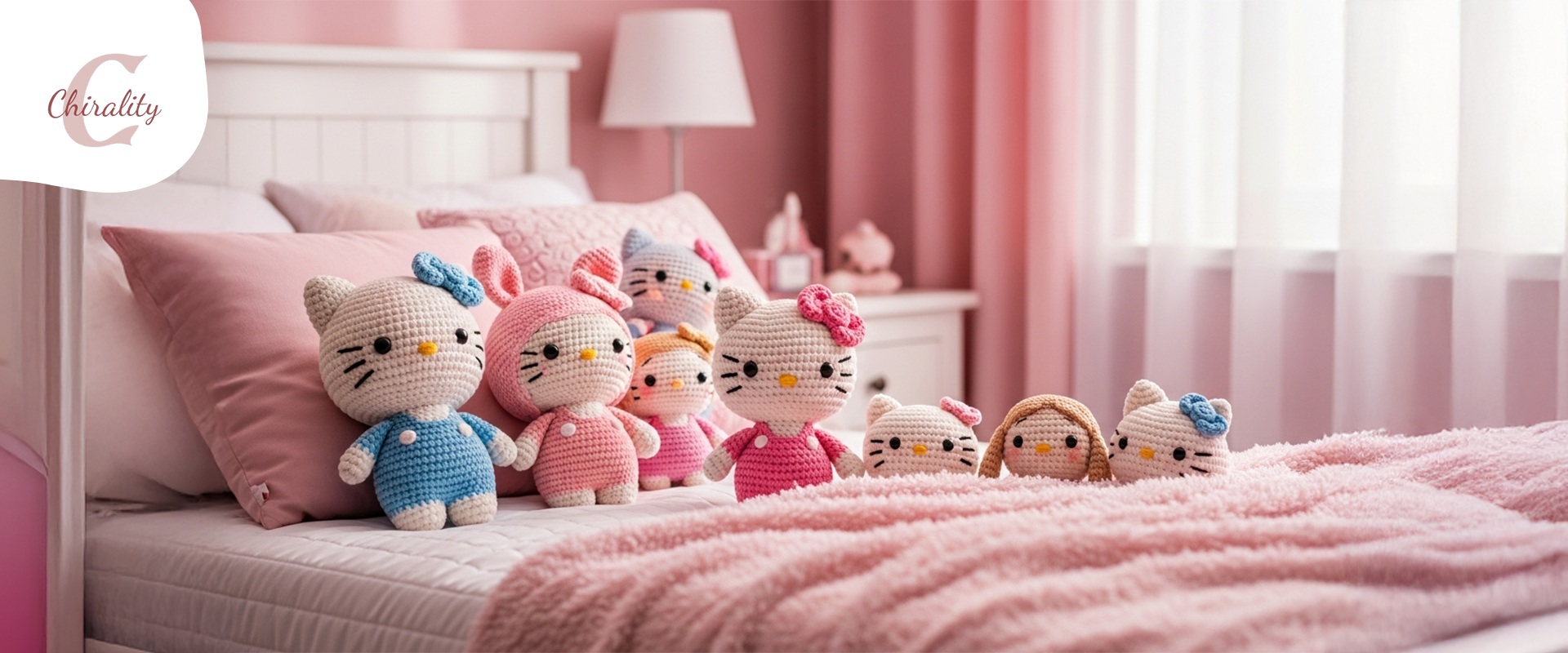
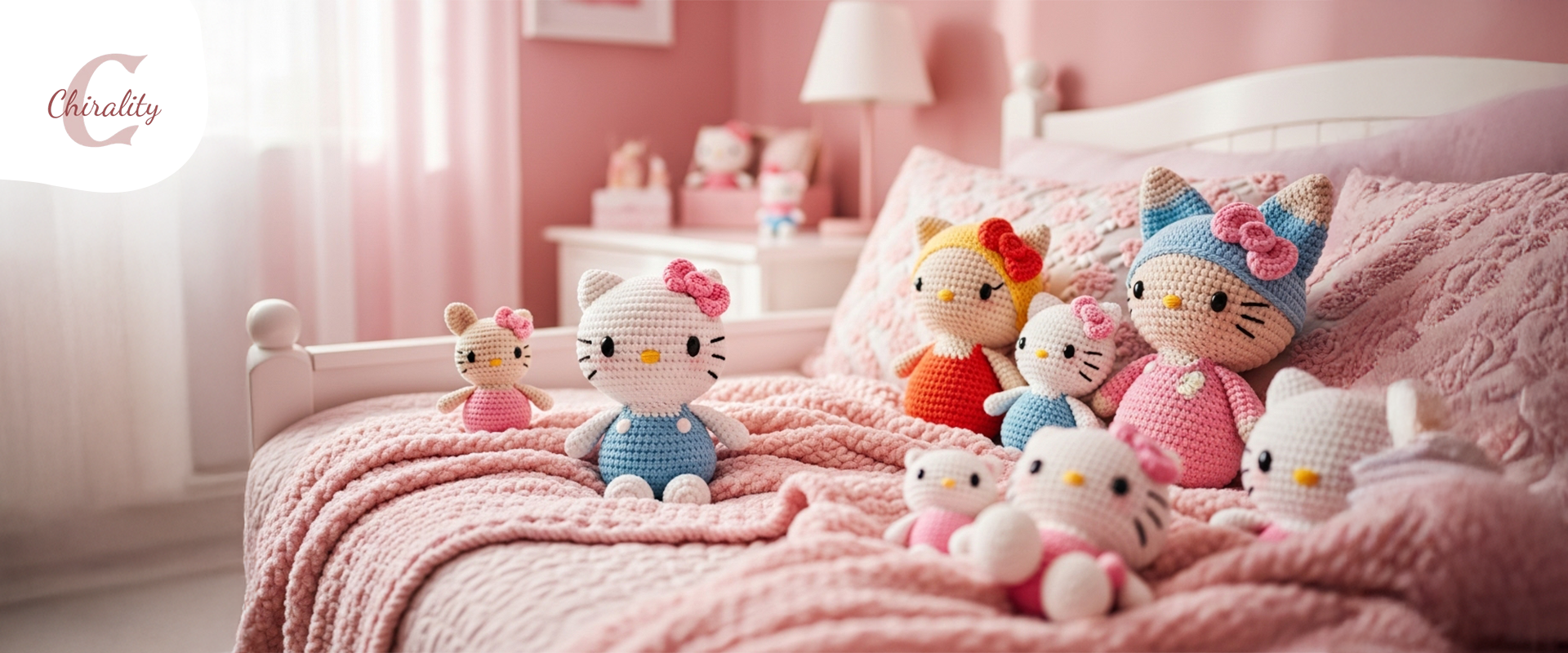
The Saudi Arabian website Chiraliity Handmade embodies this aesthetic concept with a warm and humanistic artistic style; it offers handmade crochet designs inspired by the spirit of cartoon characters and fairy tales, but with a sophisticated artistic vision that combines nostalgia and innovation.
This spirit is clearly evident in the details of his products — from crocheted dolls that evoke the world of childhood in an artistic way, to accessories and organizers that blend cheerful colors with geometric simplicity inspired by cartoon aesthetics.
Each piece in Chiraliity Handmade is not merely a decorative item, but a work of art that reinterprets pop culture concepts within an authentic, handcrafted framework, combining high craftsmanship with aesthetic symbolism. Thus, in the hands of Chiraliity's artists, crochet becomes a tool that translates cartoonish inspiration into contemporary home designs that exude joy and warmth.
Conclusion: The future of cartoon inspiration in design:
Cartoon characters have proven to be more than just a passing fad in design; they are an integral part of the visual language of pop culture, which dominates the contemporary creative landscape. Drawing inspiration from these icons allows designers to incorporate humor, nostalgia, and bold simplicity into their creations.
Examples of contemporary designs inspired by cartoon characters—whether it's Moschino's over-the-top coats, the rounded and voluminous furniture in interior design, or even the user-friendly interfaces of electronic devices—all confirm that successful design tells a story. And the story of cartoon characters is a universal tale of joy and simplicity, translatable into timeless aesthetic icons that continue to shape creativity in the 21st century.